

Stop Flying Blind: How IT Visibility Reduces Downtime, Data Loss, and Revenue Leaks
Your IT systems are leaking money and putting your business at risk—without you even knowing it. Blind spots in your infrastructure lead to costly downtime, data loss, and revenue leaks that drain your bottom line. This post reveals how IT visibility and proactive monitoring from managed IT services stop those threats before they hit, giving you control, continuity, and growth. Learn more about minimizing downtime with these effective strategies.
Understanding IT Visibility

In today’s fast-paced digital world, staying in control of your IT environment is crucial. You need to know what’s happening to prevent disruptions. Let’s explore the meaning and importance of visibility in IT.
What Visibility Means for IT
Being aware of every part of your IT system is essential. Visibility lets you identify problems before they escalate. It allows for a proactive approach, which keeps your business running smoothly. Imagine driving a car blindfolded. Without visibility, you’re navigating your IT systems the same way. This clarity helps you pinpoint areas that need attention, ensuring smooth operations.
Visibility is about knowing every detail of your IT environment. You gain the power to anticipate issues, rather than reacting to them. A clear view helps you make informed decisions, minimizing risks and enhancing control. Learn how better IT operations management can prevent downtime.
Real Risks of Blind Spots
Ignoring blind spots can lead to serious consequences. Downtime, data breaches, and lost revenue are just a few examples. Each hour of downtime can cost businesses thousands of dollars. When systems fail, you lose more than just money; you lose trust and customers.
Blind spots leave you vulnerable to external threats. Hackers target weaknesses you didn’t know existed. Unseen gaps can also cause internal problems, like system misconfigurations, affecting productivity and efficiency. Most companies think they’re secure until they’re not. The longer you wait to address these blind spots, the more you risk. The cost of not knowing what’s happening in your systems can be significant, as explored in this insightful article.
Preventing Downtime and Data Loss
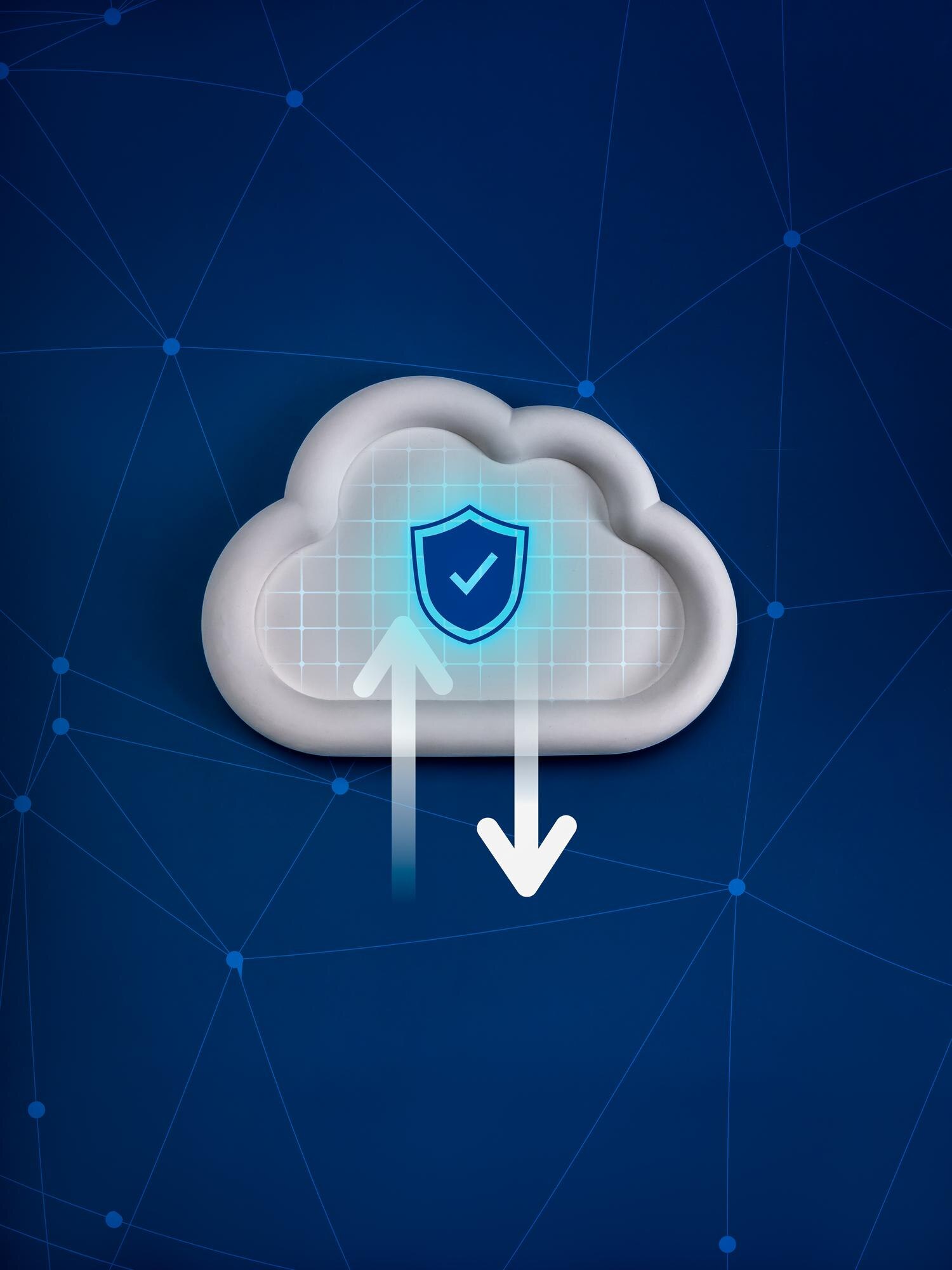
Once you understand the risks, it’s time to act. Preventing downtime and data loss starts with a proactive strategy. Let’s break down the benefits of monitoring and how managed IT services can assist.
Proactive Monitoring Benefits
Proactive monitoring acts as an early warning system. It catches issues before they become major problems. You can stop threats in their tracks, maintaining continuity and confidence. With constant oversight, you reduce downtime and protect your data. This approach saves you money and stress by fixing small issues before they grow.
Monitoring helps you understand patterns and anticipate future needs. It’s like having a security guard for your IT systems. You’re always prepared, which means fewer surprises and more stability for your business. Here’s the key insight: proactive systems keep your operations safe and sound. Discover how minimizing downtime impacts IT operations.
How Managed IT Services Help
Managed IT services provide the expertise and tools you need. They handle the complexity, so you don’t have to. From monitoring to maintenance, they ensure your systems stay robust. You gain a partner in preventing downtime and ensuring data integrity.
These services offer tailored solutions that fit your unique needs. They bring peace of mind with 24/7 support and rapid response times. You’re free to focus on your business, knowing your IT is in good hands. Most people think they can handle IT alone, but a partner can transform your operations. With managed services, you’re not just surviving; you’re thriving.
Integrating IT Solutions for Success
Achieving IT visibility involves more than just monitoring—it’s about integration. Bringing together cloud, backup, and cybersecurity solutions creates a holistic defense. Let’s explore how these elements work together.
Role of Cloud and Backup Systems
Cloud and backup systems are essential for modern businesses. They ensure your data is safe and accessible. Cloud solutions offer flexibility, allowing your team to work from anywhere. With remote work on the rise, this is more important than ever.
Backup systems protect against data loss. Regular backups mean you can recover quickly if something goes wrong. Together, these tools provide a safety net that keeps your business running smoothly. The reliability of cloud and backup systems supports your growth and adaptability.
Enhancing Cybersecurity and Continuity
Cybersecurity is no longer optional. With threats evolving, you need strong defenses. Enhancing your systems means fewer breaches and more continuity. Effective cybersecurity measures protect your assets and reputation. They act as a shield against attacks, giving you peace of mind.
Continuity is about resilience. It’s ensuring your business can withstand disruptions. With the right systems in place, you can maintain operations no matter what. Investing in cybersecurity and continuity is investing in your future. It’s about staying one step ahead and being prepared for anything. Explore how these elements contribute to reliable IT infrastructure in this article.
By understanding and implementing these strategies, you can reduce risks and promote growth. IT visibility is not just about seeing—it’s about empowering your business to thrive in a competitive landscape.
No responses yet