Cloud Done Right: Empower Flexible Teams Without Compromising Security
Cloud Done Right: Empower Flexible Teams Without Compromising Security
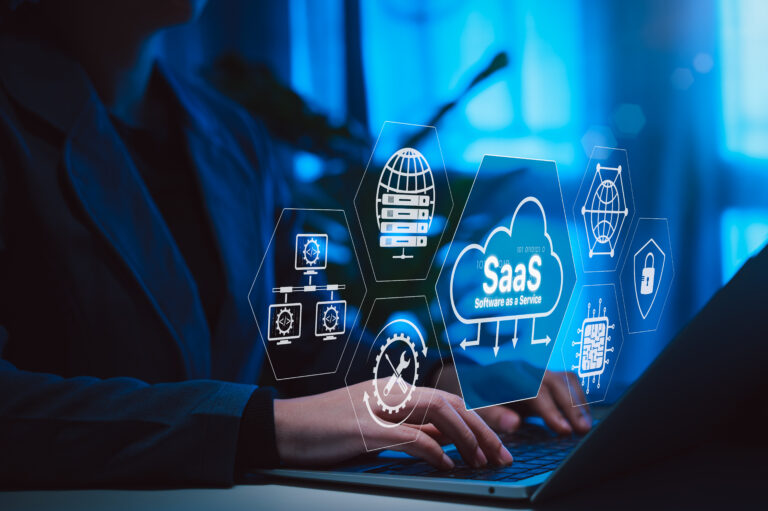
You’ve built flexible teams, but security gaps still keep you up at night. Cloud technology solutions can change that—giving your workforce freedom without opening doors to risk. In this post, you’ll see how tailored cloud strategies and cutting-edge protections create hybrid work infrastructure that works for you. Ready to secure remote work while empowering your people? Let’s get into what makes it happen.
Boosting Workforce Flexibility with Cloud
Cloud technology is truly reshaping how businesses operate today. The key lies in its ability to enhance workforce flexibility without sacrificing security.
Cloud Technology Solutions for SMEs
If you’re leading a small or medium-sized enterprise, cloud technology is your ally. It offers the power to scale up or down with ease, adapting to your business needs as they change. Picture this: your team can access critical applications and data from anywhere, whether they’re at a desk or on the move. This flexibility boosts productivity and keeps everyone connected. A key benefit is cost savings—no need for costly hardware investments. Instead, you pay for what you use.
By embracing cloud solutions, you break free from the constraints of traditional IT setups. Your team gains the freedom to innovate and collaborate, leading to more agile operations. Companies that have adopted cloud solutions report a 20% increase in productivity. That’s a number that speaks volumes about the transformative impact of the cloud. For more insights on how cloud technology can fuel growth, check out this detailed analysis.
Hybrid Work Infrastructure Essentials
Creating a hybrid work environment means blending remote and in-office work seamlessly. The cloud is pivotal here, offering tools that support real-time collaboration and communication. Think of it as the backbone of your hybrid strategy, ensuring that no matter where your team is, they have what they need to succeed. Essential components include secure file sharing, video conferencing, and team chat applications. These tools foster a culture of continuity and engagement.
Moreover, a hybrid infrastructure supports both business needs and employee well-being. It allows for flexible work schedules, which can lead to higher job satisfaction and retention rates. It’s a win-win situation that enhances both productivity and morale. Learn more about improving employee experiences through cloud-connected workspaces in this informative blog.
Secure Remote Work Strategies
Security is non-negotiable when it comes to remote work. You need strategies that protect your data and maintain customer trust. Implementing multi-factor authentication and single sign-on are crucial steps. These measures ensure that only authorized users access your systems, providing a robust layer of protection against breaches. But security is not just about technology—it’s about fostering a security-first culture among your team.
Training and regular updates on security protocols are essential. Encourage your team to adopt security best practices as part of their daily routine. Most companies believe their systems are secure, but without these practices, vulnerabilities can go unnoticed. Stay informed about the latest threats and how to combat them. The longer you wait to implement these strategies, the greater the risk to your business continuity.
Enhancing Security with Cloud Services

Once your flexible workforce is up and running, securing their work environment becomes paramount. Cloud services play a critical role in enhancing security measures, ensuring your operations remain safe and sound.
Identity and Access Management Best Practices
Managing who has access to what is a cornerstone of security. Identity and Access Management (IAM) systems simplify this process. They allow you to set up access controls, ensuring that employees only reach the data they need. It’s all about maintaining control while enabling freedom. These systems can automatically adjust access rights as roles change, providing a dynamic approach to security.
Zero trust security models are becoming standard. They operate on the principle of “never trust, always verify,” which minimizes the risk of unauthorized access. By adopting these practices, you protect sensitive information and prevent data breaches. This not only safeguards your business but also strengthens client confidence in your services.
Backup and Disaster Recovery Planning
Data loss can have catastrophic effects on a business. That’s why backup and disaster recovery planning is critical. Regular backups ensure that you can restore operations quickly after an unexpected event. These plans should cover everything from natural disasters to cyberattacks.
Effective disaster recovery is about preparation and response. It involves setting up protocols that can be enacted at a moment’s notice to minimize downtime. Small steps, like scheduling regular system backups and testing recovery plans, go a long way. To understand the full scope of disaster recovery, explore this comprehensive guide on maintaining business efficiency.
Ransomware and Data Protection Compliance
Ransomware attacks are a growing threat. They can lock you out of your systems and demand hefty ransoms to regain access. Prevention is the best defense. This includes keeping your systems updated, training your staff, and employing robust security software. Compliance with data protection regulations is equally important. It ensures that your business operates within legal frameworks while protecting customer information.
Regular audits and updates to your security protocols keep you ahead of potential threats. Protecting data is not just a legal obligation; it’s a business imperative. It builds trust and loyalty among your clients, which translates to long-term success.
Tailored Solutions for Better Outcomes
To truly capitalize on cloud technology, tailor your solutions to meet your unique business needs. This customization ensures that you get the most out of your IT investments.
Azure Migration and Microsoft 365 Management
Migrating to Azure and managing Microsoft 365 can seem daunting, but the rewards are significant. These platforms offer unparalleled scalability and integration. With Azure, you can deploy applications faster and more efficiently, while Microsoft 365 enhances collaboration with its suite of productivity tools. The key is a smooth transition that minimizes disruptions.
Our team specializes in managing these migrations, ensuring they align with your business goals. It’s about setting your business up for success with strategic deployments. For businesses eager to adopt cloud solutions, this is a critical step towards modernization.
Hosted VoIP and SD-WAN for Business
Communication is the heartbeat of any business. Hosted VoIP solutions revolutionize how you connect with your team and clients. They offer clear, reliable, and cost-effective communication over the internet. Paired with SD-WAN technology, you get optimized network performance that enhances connectivity and reduces costs.
SD-WAN simplifies network management and improves application performance by directing traffic over the best path. This means fewer interruptions and smoother operations. Investing in these technologies ensures that your business stays connected and competitive.
24/7 IT Support and NOC SOC Monitoring
Support is critical in the fast-paced world of IT. Our 24/7 IT support ensures that help is always available when you need it. This around-the-clock service minimizes downtime and keeps your operations running smoothly. Combined with NOC (Network Operations Center) and SOC (Security Operations Center) monitoring, you get comprehensive oversight of your IT infrastructure.
These services provide real-time alerts and proactive responses to potential issues. It’s about peace of mind—knowing that your systems are closely monitored and protected. With this level of support, you can focus on what you do best, leaving the technical details to us.
By embracing cloud technology and robust security measures, you create a flexible, secure, and efficient work environment. These strategies not only enhance productivity but also ensure your business is future-ready, capable of adapting to new challenges and opportunities.