Remote Work, Simplified: Leveraging Cloud Technology for Scalable, Secure Teams
Remote Work, Simplified: Leveraging Cloud Technology for Scalable, Secure Teams
Most remote work setups struggle to scale without compromising security. You need a system that supports growth and protects your data at every step. This post shows how cloud technology for SMEs creates scalable, secure remote teams with tailored solutions and cutting-edge technology.
Building a Scalable Cloud Infrastructure
Creating a robust cloud infrastructure is crucial for businesses aiming for growth and security. Let’s explore how cloud technology can empower your small to medium-sized enterprise (SME).
Cloud Technology for SMEs
Cloud technology offers SMEs the power to grow without the burden of maintaining physical resources. By using the cloud, your business can scale efficiently while keeping costs low. For example, cloud services like AWS and Azure provide scalable resources, allowing you to adjust capacity as needed. This flexibility ensures your business stays agile in an ever-changing environment.
Moreover, cloud technology supports remote work by enabling seamless access to data and applications from anywhere. This means your team can collaborate effectively, whether they’re at home or in the office. With a cloud-based approach, you eliminate the need for complex on-premise setups. Explore how cloud solutions can empower your remote workforce for more insights.
Cloud Migration Services Explained
Understanding cloud migration is vital as businesses transition to digital systems. This process involves moving data, applications, and workloads from on-site hardware to cloud environments. What does this mean for you? It means more efficient operations and reduced IT maintenance. Migrating to the cloud doesn’t happen overnight, though. It’s a strategic process that requires careful planning and execution.
Start by assessing your current systems and identifying which workloads are suitable for migration. This ensures a smooth transition and minimizes disruptions. Most businesses find that hybrid solutions offer the best of both worlds, providing flexibility and control over sensitive data. Learn more about how cloud computing benefits remote work to see how it could fit your business model.
Hybrid Cloud Strategy Insights
A hybrid cloud strategy combines private and public cloud services, offering a tailored solution for businesses. This approach allows you to keep sensitive data secure in a private cloud while leveraging the scalability of a public cloud. One of the significant benefits is agility. You can quickly respond to changing business needs by scaling resources up or down.
Implementing a hybrid strategy also means better data management. You can choose where to store data based on compliance and security requirements, ensuring that sensitive information remains protected. The longer you wait to implement a hybrid strategy, the more you risk inefficiency and outdated systems. Check out leveraging AWS for remote work solutions for a deeper dive into hybrid cloud benefits.
Ensuring Secure Remote Work
Security is a top priority for remote teams. Let’s examine essential security measures that safeguard your business in a remote work environment.
Zero Trust Security Overview
Zero Trust security is an approach that assumes threats are present both inside and outside the network. It requires strict verification for every device and user attempting to access resources. This model is crucial for secure remote work as it minimizes access vulnerabilities. In adopting a Zero Trust framework, you implement measures like multi-factor authentication and endpoint management to protect sensitive data.
Most people think perimeter security is enough, but in today’s digital age, internal threats are just as prevalent. Adopting Zero Trust policies ensures that your business remains protected against both internal and external threats. Providing a secure cloud environment is essential for peace of mind.
Identity and Access Management
Identity and Access Management (IAM) is a critical component of secure remote work. By controlling who has access to what resources, IAM systems prevent unauthorized access and data breaches. Implementing IAM involves creating user profiles, setting permissions, and regularly updating access controls.
This approach ensures that only verified users can access sensitive information, reducing the risk of data leaks. With IAM, you can track who is accessing what data and when, providing an additional layer of security. The key insight is that effective IAM requires continuous monitoring and adjustment to remain effective.
Backup and Recovery Solutions
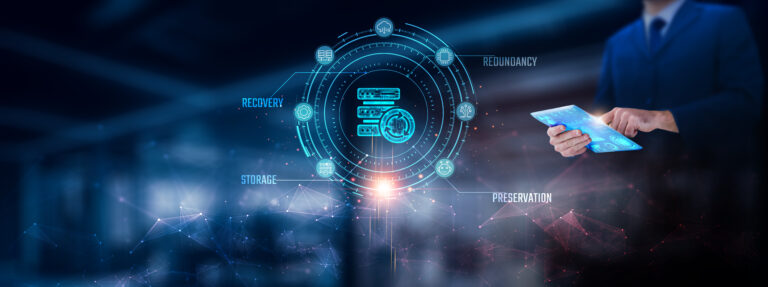
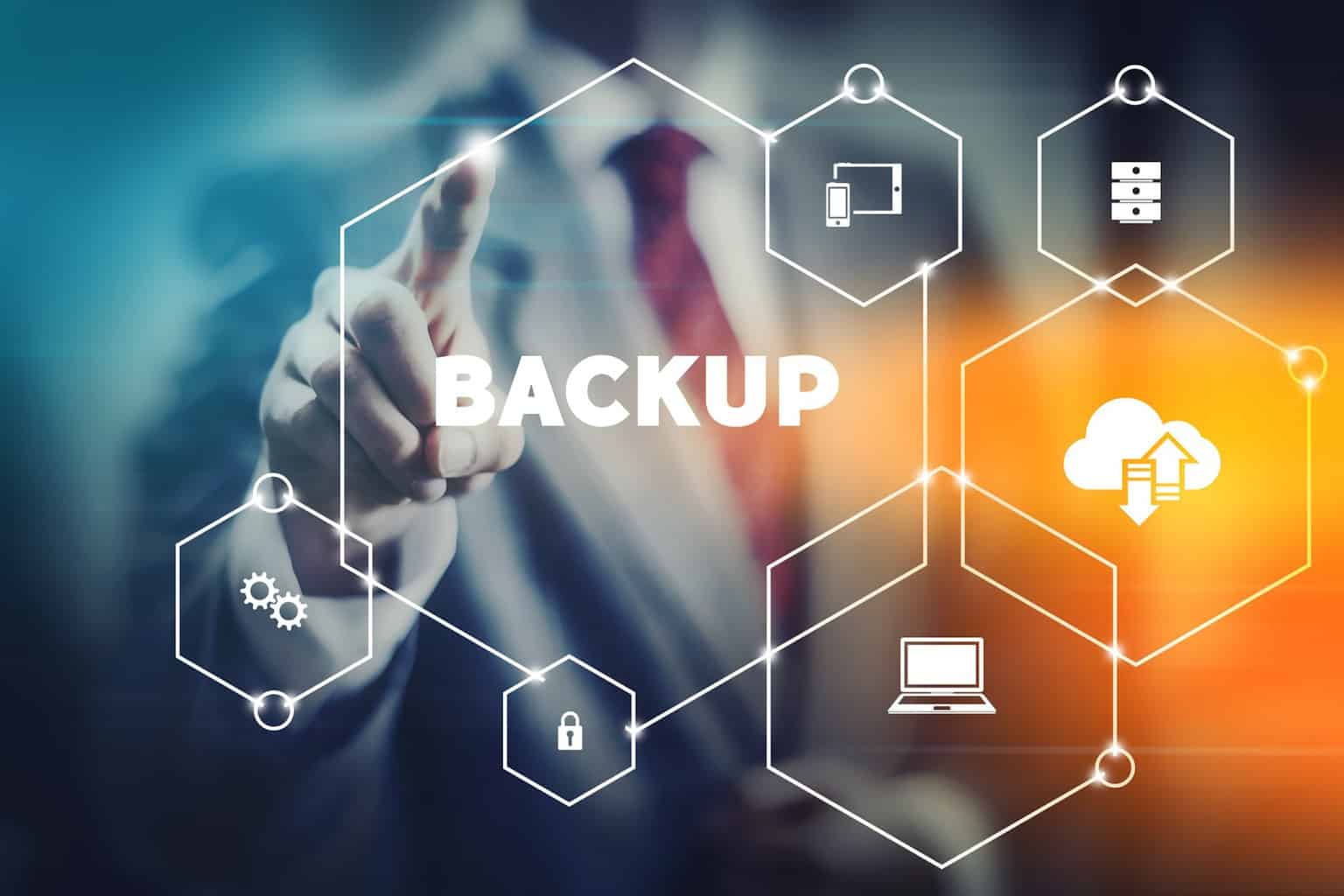
Backup and recovery solutions are your safety net in the event of data loss or cyberattacks. Regular backups ensure that you can quickly restore data, minimizing downtime and lost productivity. Implementing a reliable backup strategy involves scheduling regular backups and testing recovery processes to ensure they work when needed.
Disaster recovery planning is equally important. By having a structured plan in place, your business can recover from data loss incidents swiftly and with minimal disruption. Remember, the quicker you can recover, the less impact an incident has on your operations. Here’s the key insight: don’t wait for a crisis to test your backup solutions; regular testing is essential.
Enhancing Remote Workforce Productivity

Boosting productivity in a remote environment requires the right tools and support. Explore how technology can enhance your team’s efficiency and output.
Microsoft 365 and Google Workspace
Microsoft 365 and Google Workspace are powerful tools that facilitate collaboration and productivity in remote teams. These platforms offer a suite of applications that enable communication, file sharing, and real-time collaboration. For instance, Microsoft Teams and Google Meet provide seamless video conferencing, reducing the need for physical meetings.
Additionally, cloud storage solutions like OneDrive and Google Drive ensure that your team can access documents from anywhere. By integrating these tools into your workflows, you enhance communication and streamline operations. It’s not just about having the tools; it’s about how you use them to maximize productivity.
Hosted VoIP for Remote Teams
Hosted VoIP (Voice over Internet Protocol) solutions transform how remote teams communicate. Unlike traditional phone systems, VoIP allows voice communication over the internet, offering flexibility and cost savings. This means your team can make calls from anywhere, using any device connected to the internet.
VoIP also includes advanced features like call forwarding, voicemail to email, and video conferencing, enhancing the communication experience. By adopting VoIP, you ensure that your team remains connected and productive, no matter where they are. The longer you rely on outdated communication systems, the more you risk falling behind.
24/7 Managed IT Support
Managed IT support provides peace of mind by ensuring that your technology runs smoothly around the clock. With 24/7 monitoring and support, potential issues are identified and resolved before they become problems. This proactive approach reduces downtime and maintains productivity.
Having a dedicated support team means that your employees can focus on their work, knowing that technical issues will be handled promptly. The confidence of knowing your tech is in expert hands empowers your team to work efficiently without interruptions. Remember, reliable IT support is not just a service; it’s a partnership for success.
In summary, building a scalable, secure remote work ecosystem requires strategic planning and the right technology. With cloud solutions and security measures in place, you can empower your team to work effectively from anywhere, ensuring your business remains competitive and resilient in the digital age.